Overview
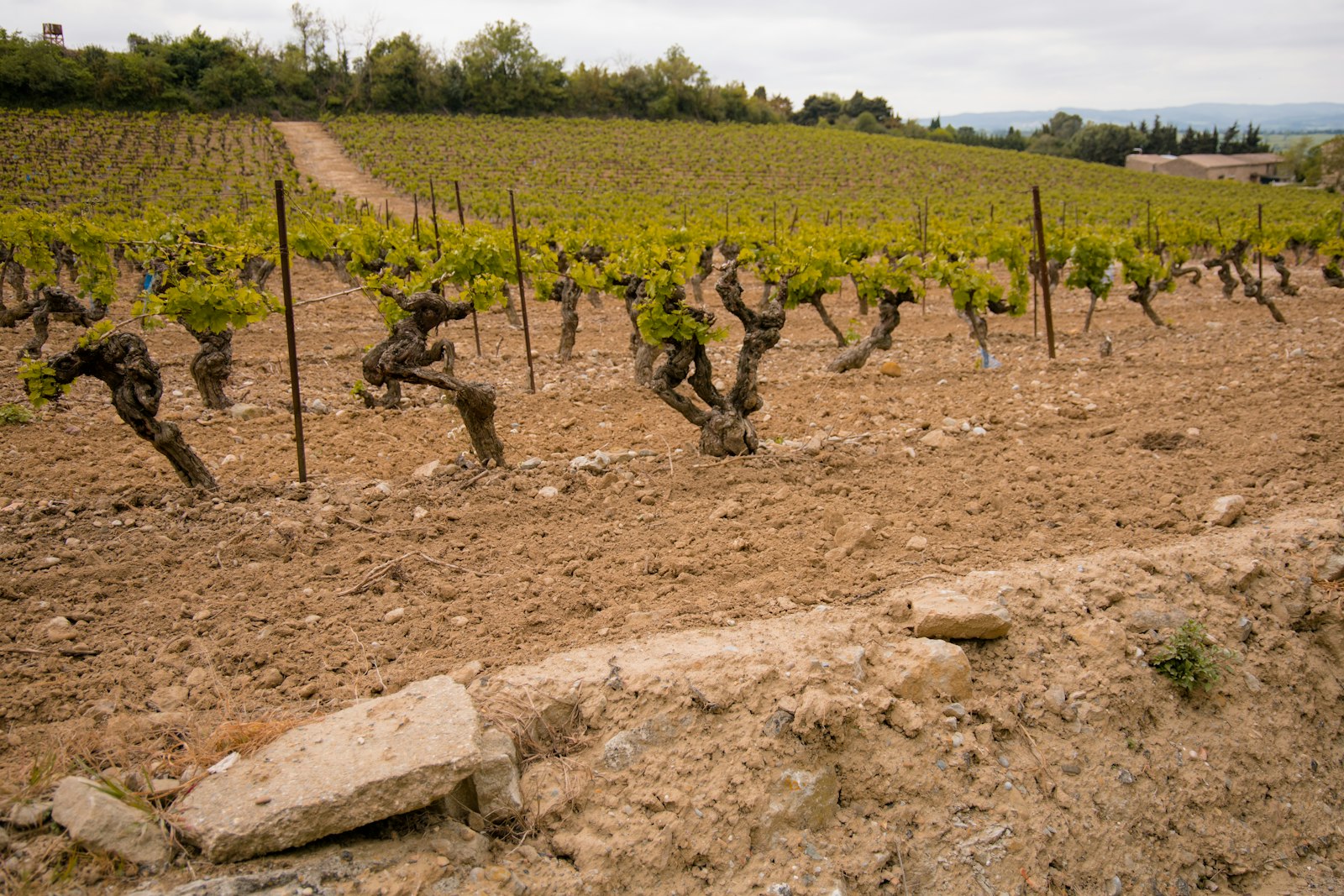
Saale-Unstrut lies on the 51st parallel in eastern Germany, making it the northernmost approved quality wine region in the country. Vineyards are planted on steep terraces along the Saale and Unstrut rivers, where the valleys create protected pockets of warmth despite the harsh continental climate. The region has more than a thousand years of documented viticultural history, with records dating to 998.
Because of the cool climate and low yields, Saale-Unstrut wines are typically delicate, crisp, and finely aromatic. Müller-Thurgau and Weißburgunder lead plantings, followed by Silvaner, Riesling, and small amounts of Dornfelder and Pinot Noir. The shell-limestone and colored sandstone soils lend a distinctive mineral clarity, and nearly all wines are made in a dry style. Historic landmarks such as Neuenburg Castle and Naumburg Cathedral enrich a visit.
Key Varietals
- Müller-ThurgauThe most planted variety, yielding delicate, fruity whites with moderate acidity.
- WeißburgunderPrized for crisp, mineral Pinot Blanc with fine fruit and freshness.
- RieslingAromatic and racy, showing citrus, green apple, and limestone minerality.
- SilvanerFull-bodied and earthy, thriving on the region's shell-limestone soils.