Overview
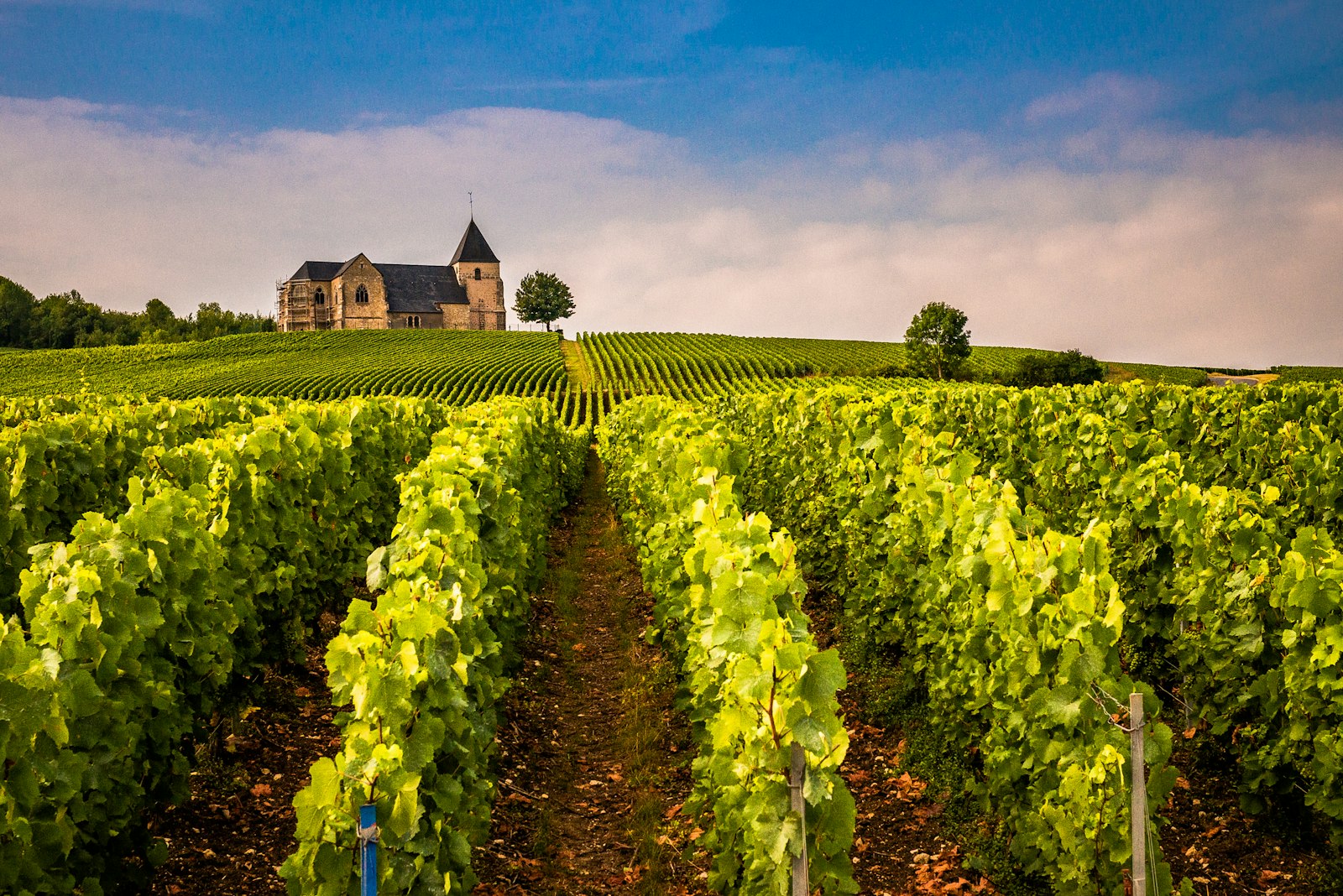
The Rheingau is one of Germany's smallest yet most influential wine regions. Here the Rhine makes a rare east-west bend, so most vineyards face due south and are sheltered from cold winds by the Taunus Hills. The river reflects sunlight onto the vines and tempers temperature swings, creating a mild microclimate that ripens Riesling to a fuller, more structured style than in the Mosel.
Riesling dominates roughly three-quarters of plantings, producing wines that balance ripe stone fruit and citrus with characteristic flinty minerality. The region is also home to distinguished Spätburgunder, especially around Assmannshausen, where red slate soils give Germany's most celebrated Pinot Noirs. Historic estates such as Schloss Johannisberg, where Spätlese was famously discovered in 1775, anchor the Rheingau's global reputation.
Key Varietals
- RieslingThe region's star, offering structured wines with peach, apricot, and citrus notes framed by mineral acidity.
- SpätburgunderElegant Pinot Noir with bright cherry, earthy undertones, and silky tannins, particularly from Assmannshausen.
- Müller-ThurgauA lighter, floral white grown mainly for everyday regional wines.
- WeißburgunderCrisp Pinot Blanc with delicate orchard-fruit flavors and refreshing acidity.