Overview
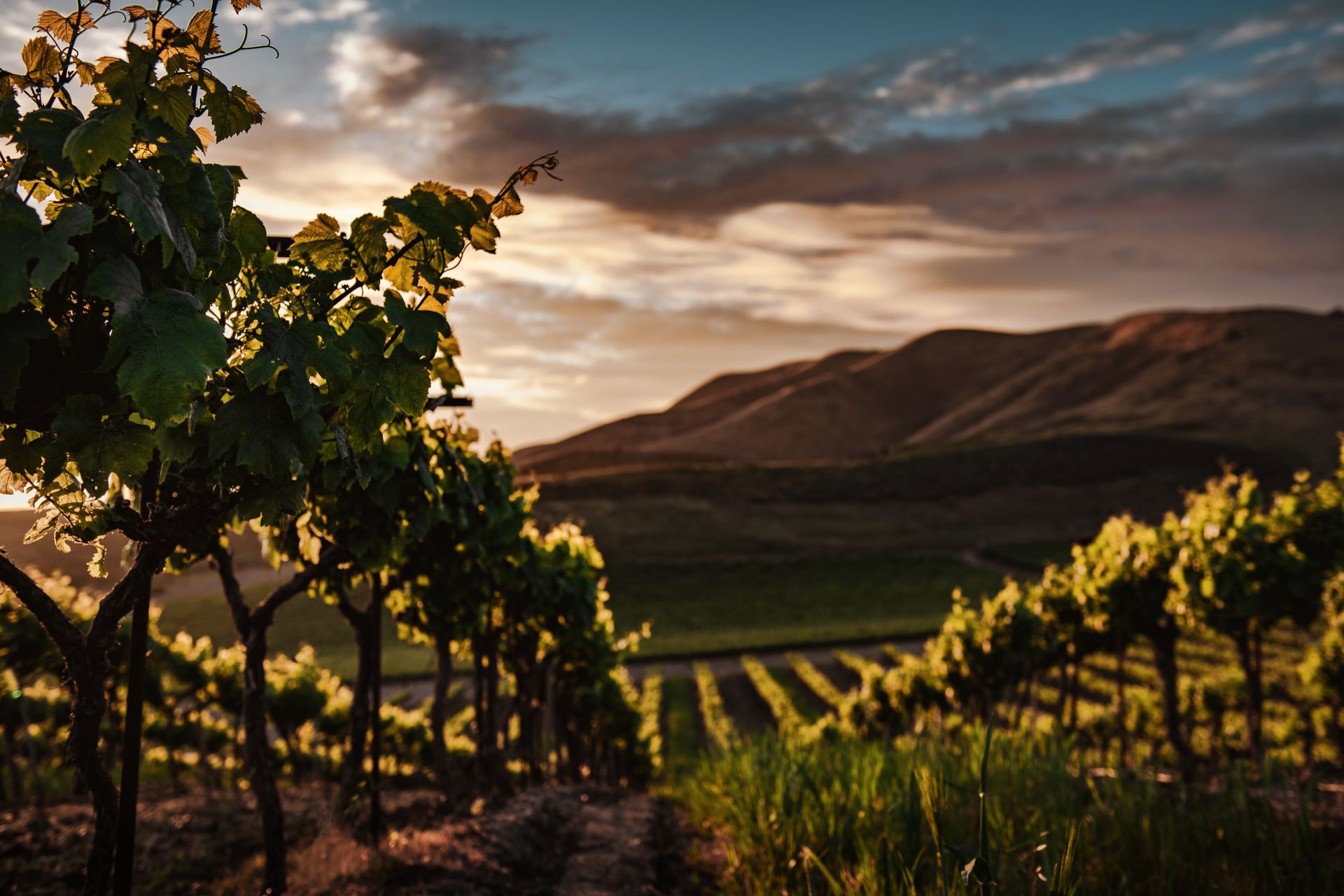
Lower Silesia occupies the Sudeten foothills and the rolling country around Wrocław, one of Poland's most favorable climates for viticulture. The Trzebnica Hills north of Wrocław and the sheltered valleys near Jelenia Góra and Świdnica collect enough summer warmth to ripen Chardonnay, Pinot Noir, and Blaufränkisch, while cold-hardy hybrids protect against the region's still-harsh continental winters.
Volcanic and calcareous soils, along with pockets of loess and limestone, lend a mineral edge to the wines. Small estates and post-industrial urban wineries around Wrocław and Katowice share the scene, producing everything from elegant still whites to skin-contact amber wines and fruit-based cuvées.
Key Varietals
- ChardonnayClassic white variety benefiting from warm summer days and limestone soils.
- Pinot NoirEarly-ripening red thriving on south-facing slopes.
- RondoCold-hardy red hybrid that survives severe winters and gives fresh red-berry reds.
- Blackcurrant wineA traditional Polish fruit wine blended or fermented alongside grape cuvées in small estates.
Region snapshot
Climate
Warm continental, region-moderated
Rainfall
500-600mm annually
Soil Types
Volcanic, calcareous, loess, and limestone