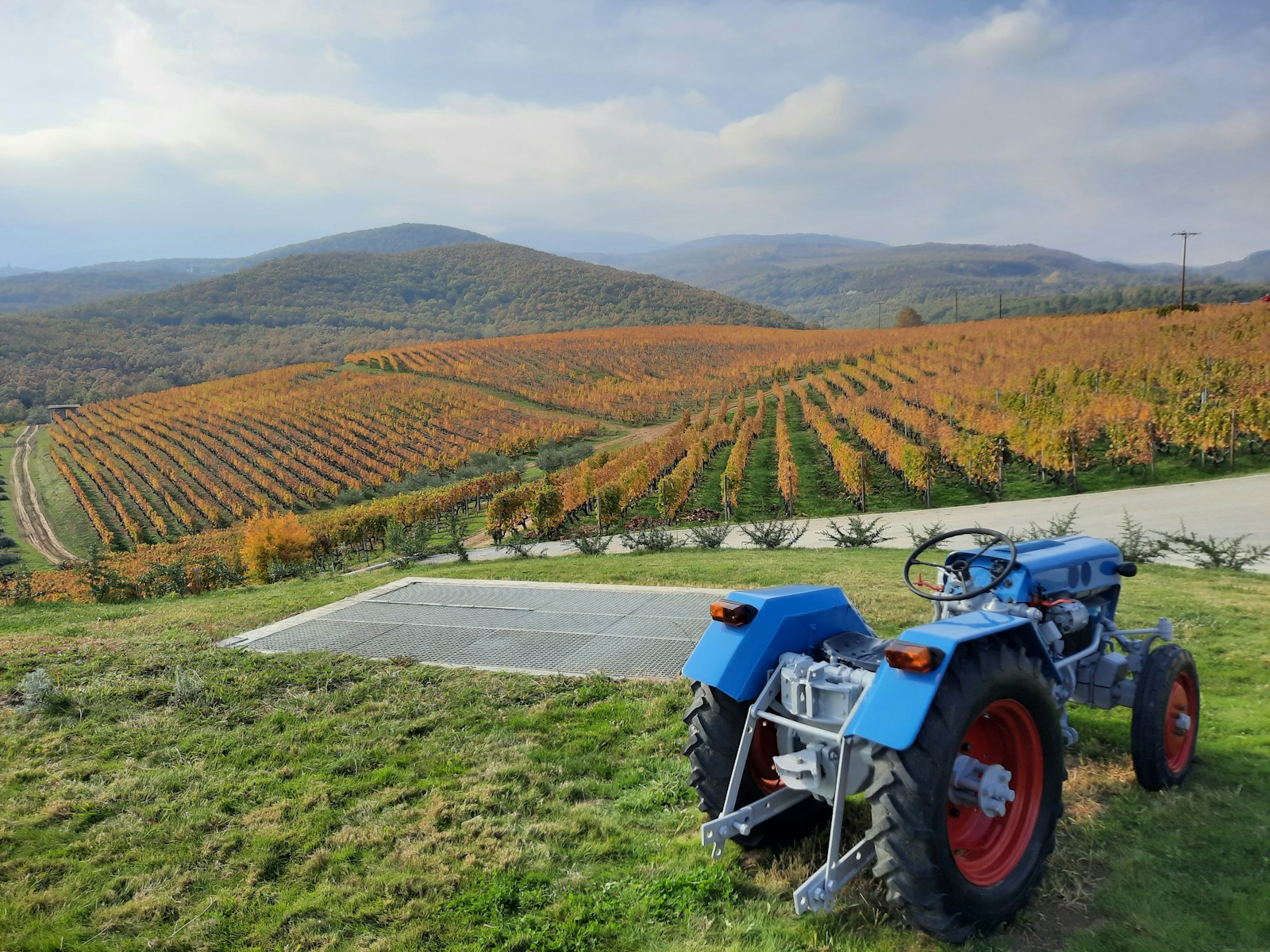
Overview
The Hessische Bergstraße is one of Germany's smallest wine regions, with around 440 hectares of vineyards clinging to the sunny foothills of the Odenwald between the Main and Neckar rivers. Named after the old Roman strata montana, or mountain road, it benefits from a mild, almost Mediterranean climate protected from cold easterly winds. Almond, cherry, and apricot trees bloom early here, heralding a long, sunny growing season.
Riesling accounts for nearly half of plantings and gives fragrant, mineral wines with the body and finesse of a miniature Rheingau. Pinot varieties are also important, including Grauburgunder, Weißburgunder, and Spätburgunder, while Silvaner and Müller-Thurgau round out the range. Most wines are sold directly by growers or through the regional cooperative, making Hessische Bergstraße bottles a prized local treasure.
Key Varietals
- RieslingThe dominant grape, producing fresh, elegant wines with floral aromatics and mineral depth.
- GrauburgunderFull-bodied Pinot Gris with ripe stone fruit, hazelnut, and a silky texture.
- SpätburgunderRefined Pinot Noir from warm slopes, showing red berry fruit and fine tannins.
- SilvanerDry, earthy white with good structure and subtle herbal notes.