Overview
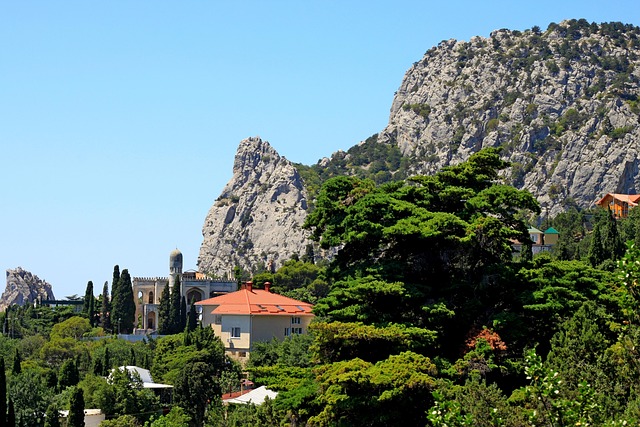
Crimea has been a viticultural crossroads for more than two millennia, with Greek colonies, Tatar traders and imperial Russian winemakers all leaving their mark on its terraced hills and coastal plains. The peninsula contains several macro- and micro-zones: the subtropical south coast from Foros to Alushta, the warmer western foothills around Bakhchisaray and Sevastopol, and the continental steppe interior. Each zone is distinguished by its distance from the sea, elevation and exposure, creating a wide range of wine styles.
The climate is moderately warm and Mediterranean, with active temperature sums around 4000 degrees Celsius and a long growing season that suits everything from aromatic Muscats to full-bodied reds. Coastal areas receive more rain and are cooled by sea breezes, while the foothills are drier and better drained. Soils range from carbonate chernozem and chestnut steppe soils to limestone, clay-shale and rocky mountain slopes, providing the raw material for famous dessert, fortified and sparkling wines.
Key Varietals
- Pinot NoirAn international red that produces elegant, light-bodied wines with red-berry perfume on Crimea's limestone slopes.
- AligotéA crisp white Burgundian variety that keeps bright acidity in the peninsula's coastal microclimates.
- RieslingAn aromatic white producing floral, mineral-driven wines in the cooler pockets of the western foothills.
- SaperaviGeorgia's teinturier red, contributing dark fruit, color and structure to Crimean red and fortified blends.