Overview
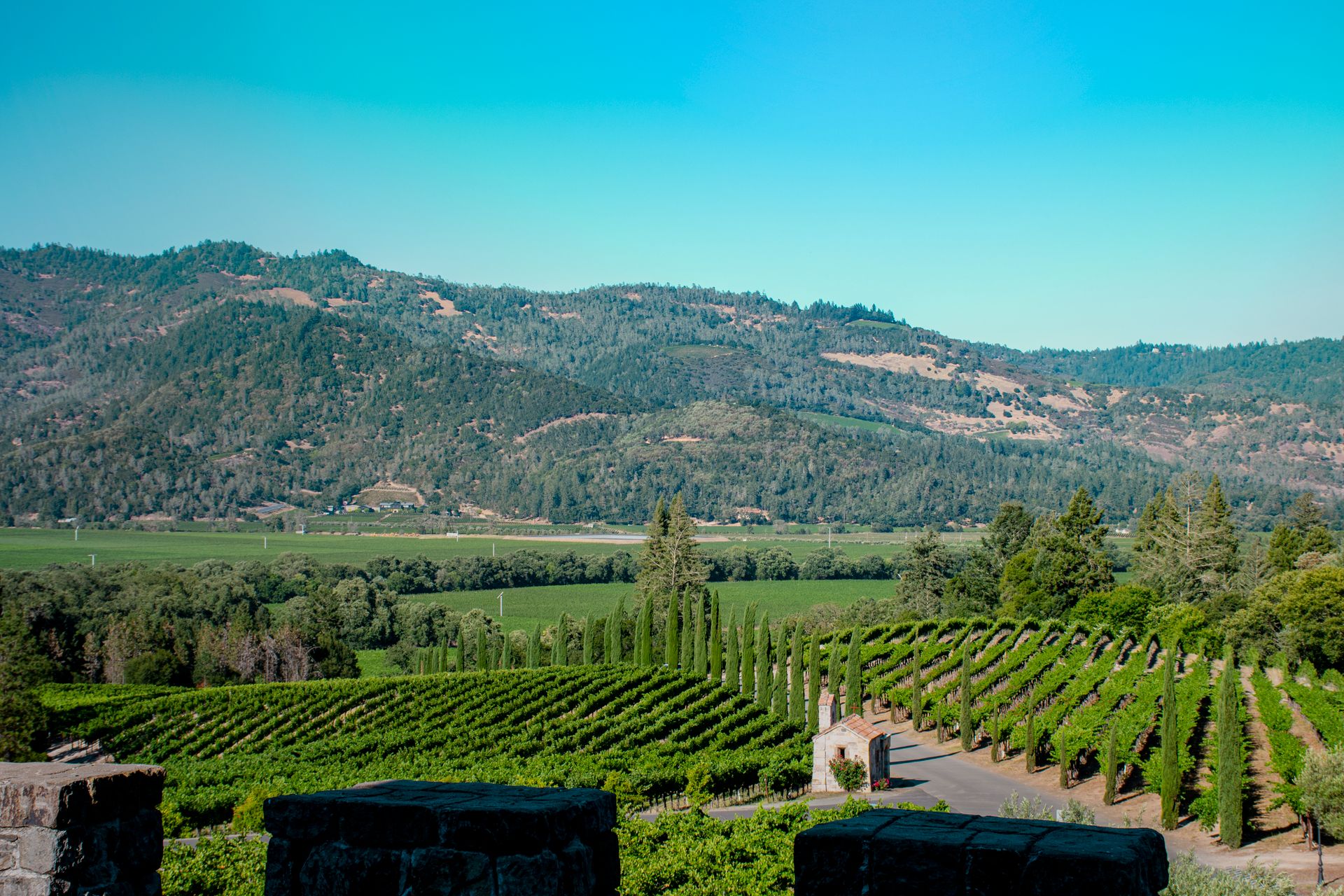
Napa Valley stretches roughly thirty miles from San Pablo Bay north to Calistoga, a compact valley framed by the Mayacamas Mountains to the west and the Vaca Range to the east. Its Mediterranean climate brings warm, dry days and cool nights, with fog rolling in from the bay each morning to slow ripening and preserve natural acidity. The valley floor and surrounding hills contain more than thirty distinct soil types, from volcanic and alluvial to gravelly benchland, creating a patchwork of terroirs within a single appellation.
Cabernet Sauvignon is the undisputed star, accounting for more than half of valley plantings and producing wines of dark cassis, graphite, and fine-grained tannin. Chardonnay, Merlot, Sauvignon Blanc, and Pinot Noir also thrive, particularly in cooler southern and mountain sites. From historic estates to modern cult producers, Napa has defined luxury American wine for more than five decades.
Key Varietals
- Cabernet SauvignonThe backbone of Napa Valley, giving structured wines with cassis, black cherry, and elegant, age-worthy tannins.
- ChardonnayA leading white variety producing styles from crisp and mineral to rich, barrel-fermented expressions.
- MerlotA softening red grape that adds plum, chocolate, and velvety texture to valley blends and single-varietal wines.
- Sauvignon BlancA crisp aromatic white with citrus, melon, and herbal notes, widely planted in cooler Napa sites.
Region snapshot
Explore wineries
Discover producers, vineyards, and tasting rooms in Napa Valley.
Browse Napa Valley wineries