Overview
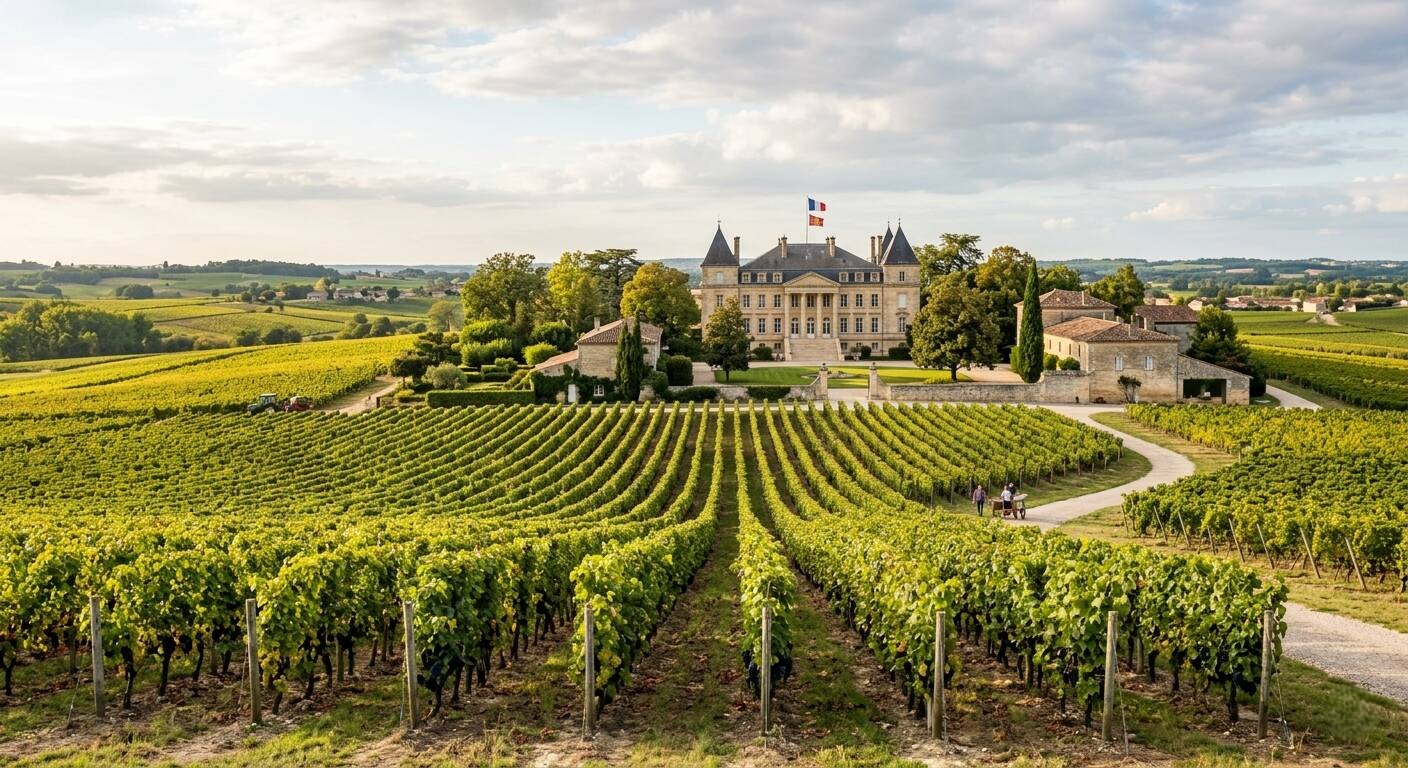
Jeju is South Korea's southernmost and most distinctive wine region, a volcanic island crowned by 1,947-meter Mount Hallasan. The climate is mild subtropical along the coast, with the highest annual rainfall in the country and soils derived from basalt and volcanic ash. Viticulture is tiny but growing, driven by boutique wineries, fruit-wine producers, and experimental growers exploring the island's unique terroir.
The island's high rainfall and humidity make viticulture challenging, so growers focus on disease-resistant varieties and innovative techniques such as rain shelters and organic composting. Small plots of Chardonnay and Cabernet Sauvignon are tested on volcanic slopes, while Muscat Bailey A and local fruits like omija and mandarin also find their way into bottles. The dark volcanic soils lend a subtle mineral streak and force growers to balance vigor with low yields.
Key Varietals
- ChardonnayA bright, mineral white shaped by the island's volcanic soils and mild coastal climate, often made in a fresh, unoaked style.
- Muscat Bailey AA light, aromatic red that copes with the humid subtropical summers, showing red berry and floral perfume.
- Cabernet SauvignonA small-plot red grown on well-drained volcanic slopes, producing herb-tinged blackcurrant wines.
- OmijaA native five-flavor berry used in fruit wines and blends, contributing tart berry and complex spice notes unique to Jeju.